Program 1
Thursday, October 8
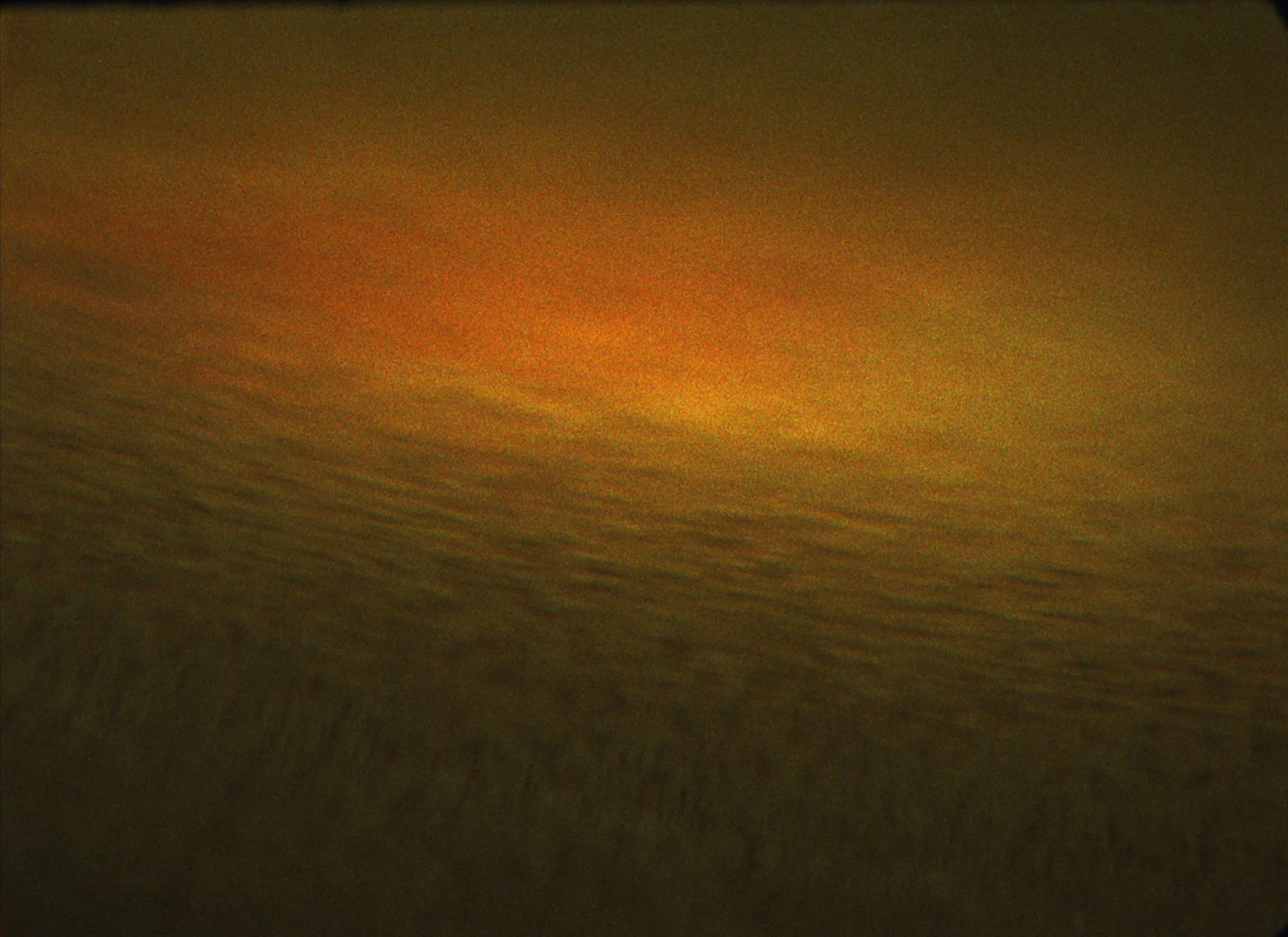
The Crack-Up, image courtesy of the artist
The Crack-Up | Jonathan Schwartz, USA, 18 min, 2017
“The ability to hold two opposed ideas in the mind at the same time, and still retain the ability to function. One should, for example, be able to see that things are hopeless and yet be determined to make them otherwise.”—F. Scott Fitzgerald, The Crack-Up
An excursion through fear, near collapse, and transformation that takes its name from F. Scott Fitzgerald’s 1936 autobiographical essay. Reflecting on life’s “process of breaking down,” it is both extremely personal and also relevant to the difficult times we live in. With sublime 16mm footage of glaciers, monumental snow-covered landscapes, and an icy, roiling sea, The Crack-Up alternates strident sounds and brash rhythms and gestures of the camera with moments of arresting fragility and grace. Danger, death, the unexpected chaos and destruction of life are all evoked with almost no human presence in the image. The sound of wind, rain, the cracking of frozen earth occasionally gives way to two voices: a female voice reciting from Fitzgerald’s text and a male voice struggling to use language at all. - Media City Film Festival
Distribution: Canyon Cinema Foundation - info@canyoncinema.com
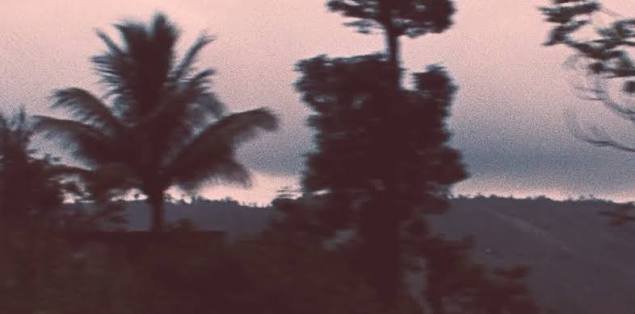
Vole, vole tristesse, image courtesy of the artist
Vole, vole tristesse / Fly, Fly Sadness | Miryam Charles, Canada, Haïti, 6 min, 2015
Following a nuclear explosion that transforms the voice of all the inhabitants of an island, a Finnish journalist goes there in order to find a hermit with mysterious powers.
Distribution: La Distributrice de films (Serge Abiaad, serge@ladistributrice.ca)
مست دل / Mast-del, image courtesy of the artist
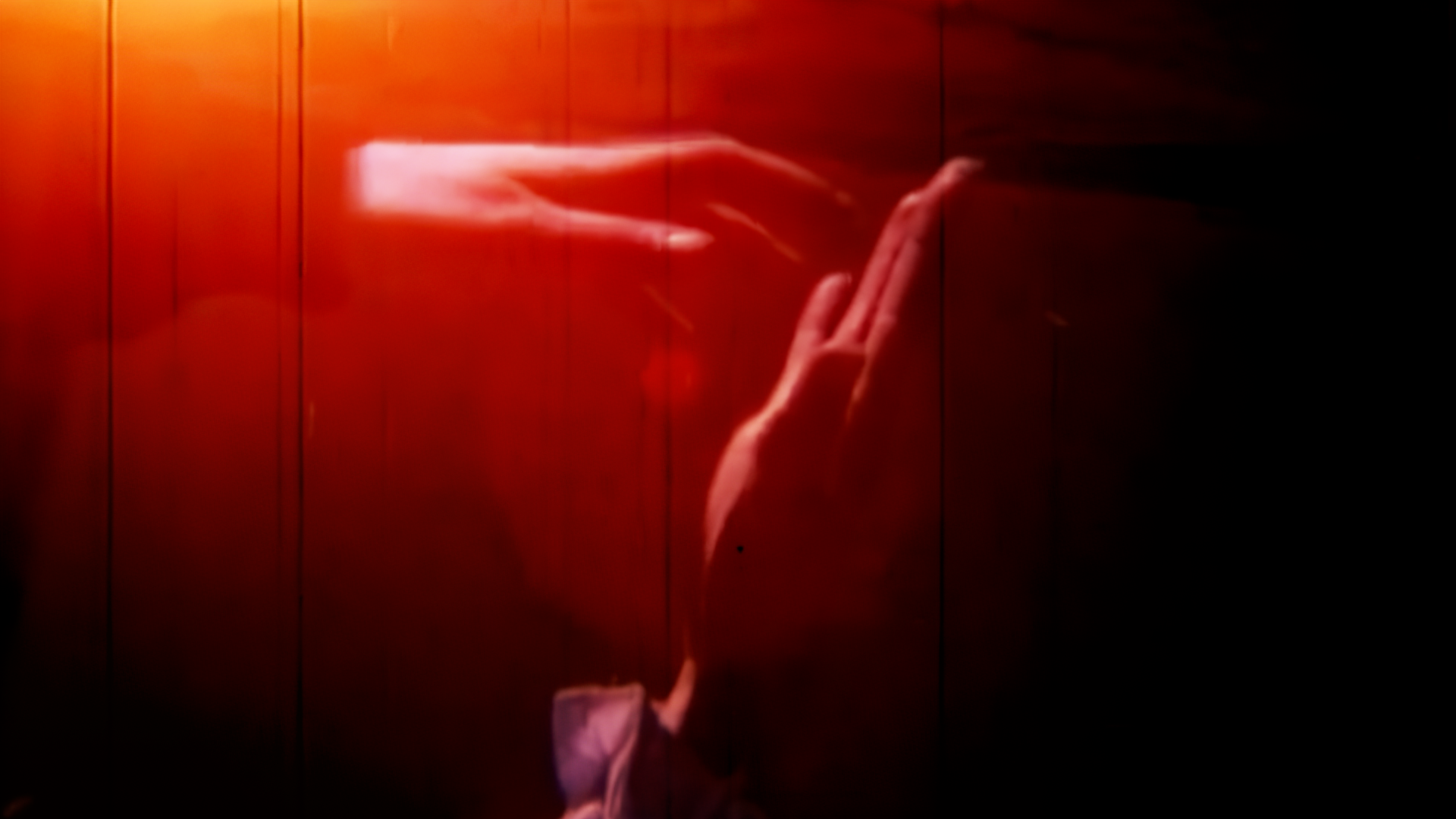
مست دل / Mast-del | Maryam Tafakory, Iran, UK, 17 min, 2023
Two women lie together in bed. As the wind bashes against the window, one recalls a past date to the cinema. A love song that would never pass through the censors, Mast-del is about forbidden bodies and desires, both inside and outside post-revolution Iranian cinema.
Cry Love, image courtesy of the artist
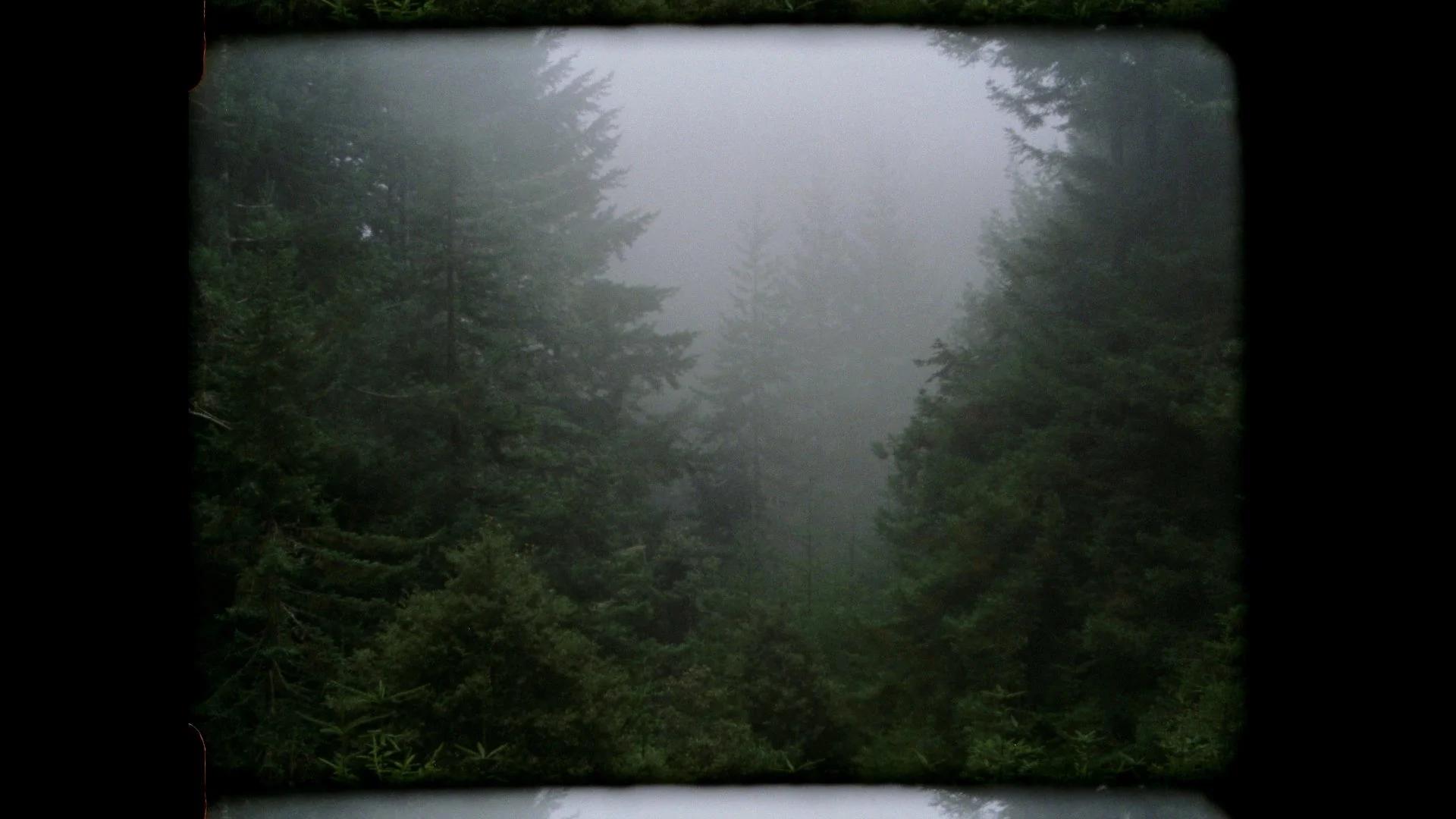
Cry love | Lee Anne Scmitt, USA, 14 min, 2020
verything in the world seems to be in danger, even the air, even the light. The world was on fire, there was illness everywhere. We went to the mountains, by the sea, driving for hours through the smoke. In some days of these months the repetition has been a form of meditation, in others a premonition of what has already been lost.
Masao Adachi Takes a Passport Photo, image courtesy of the artist
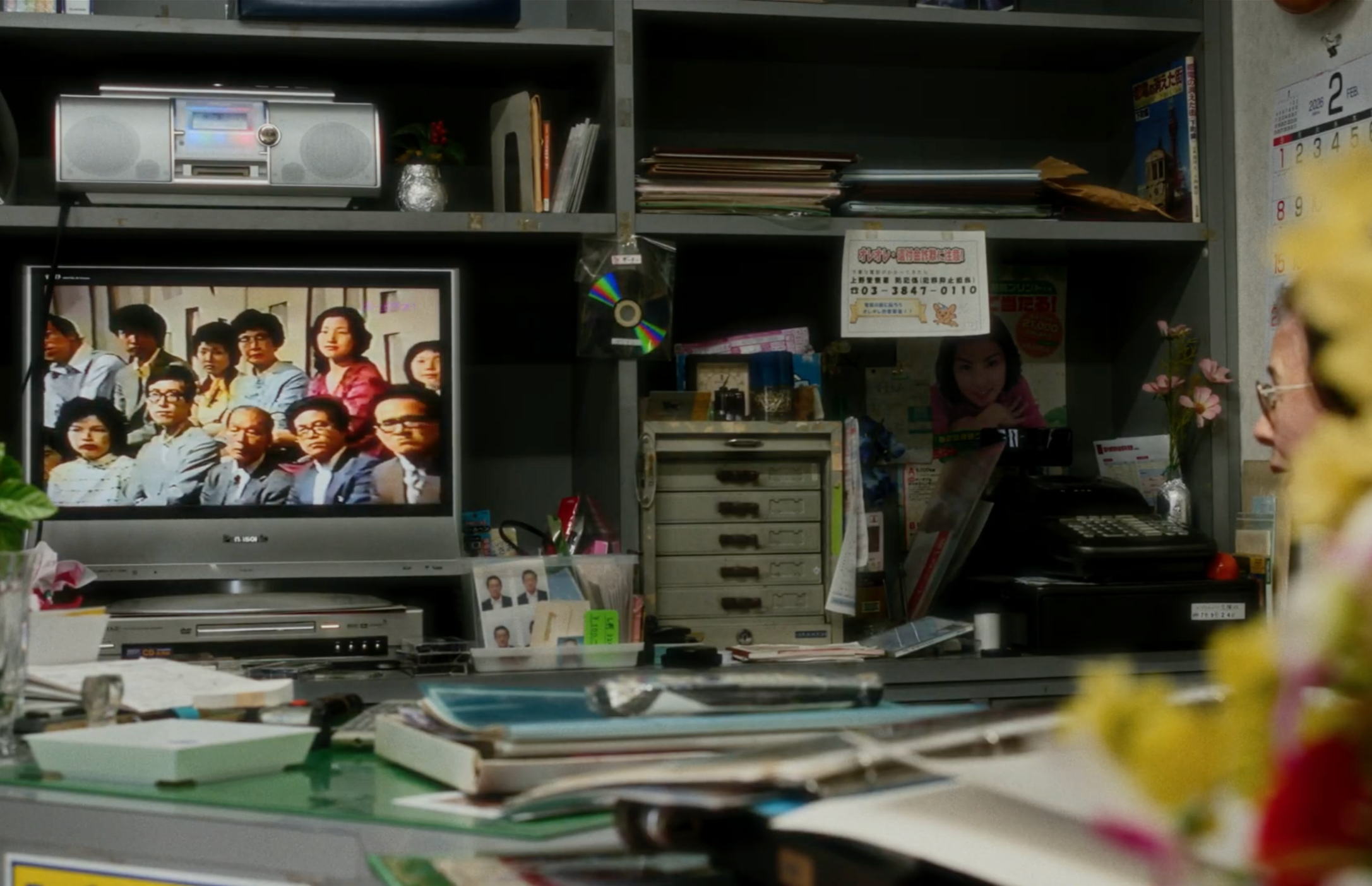
足立正生、パスポート写真を撮る / Masao Adachi Takes a Passport Photo, Kamal Aljafari, Germany, France, Japan, 27 min, 2026
In a quiet studio in Tokyo, an iconic filmmaker poses for a passport photo that may take him nowhere, whilst the widow who runs the studio meticulously prepares the shot, tracing the fragile persistence of memory and time.
Distribution: Kamal Aljafari Productions, Flavia Mazzarino, kamalalajfari.productions@gmail.com
Program 2
Friday, October 9
Evidence, image courtesy of the artist
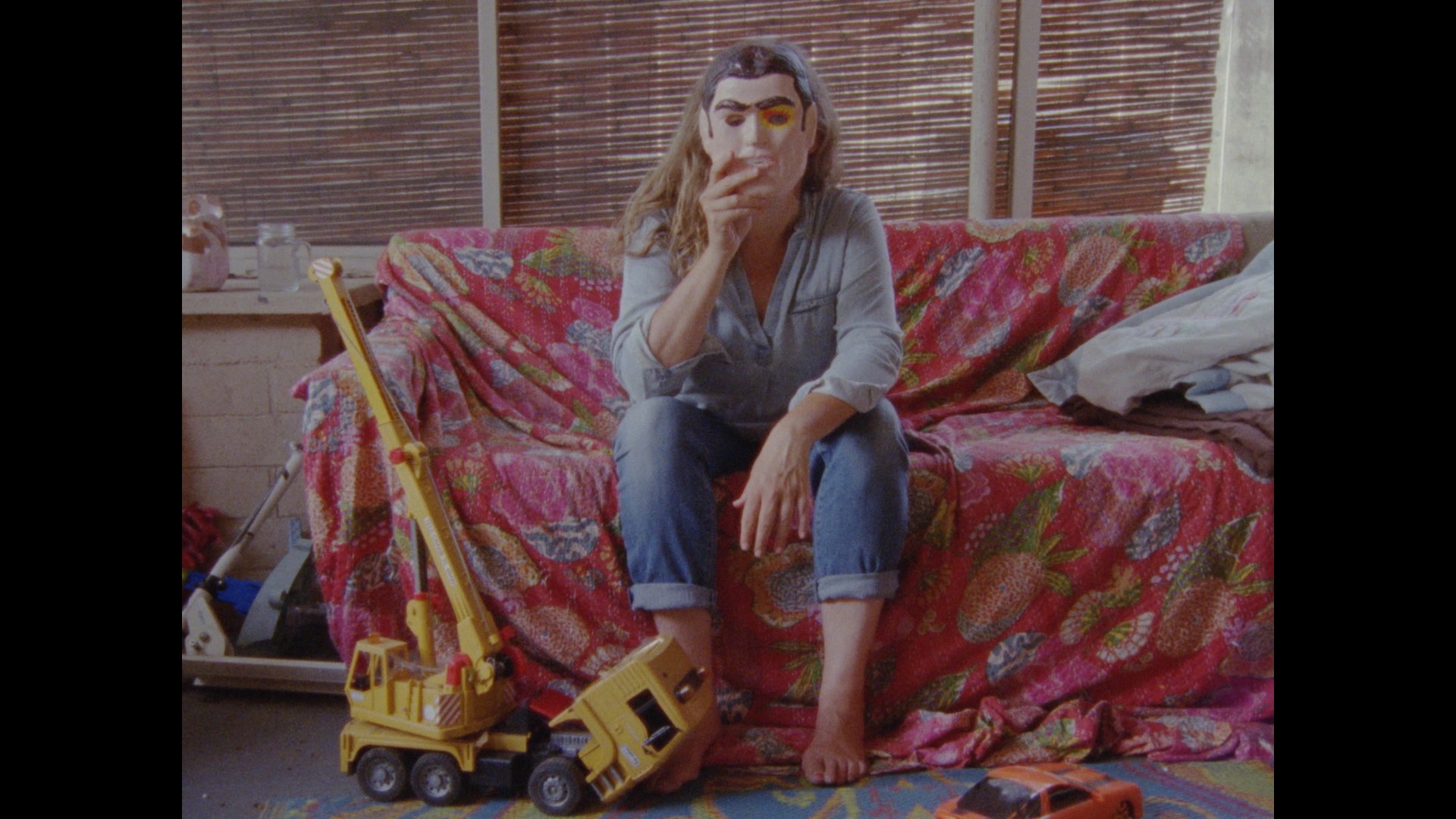
Evidence | Lee Anne Scmitt, USA, 75 min, 2025
Evidence is both an analysis of corporate spending and the impact of dark money on US politics and ideology and a personal meditation on ideas of family and care.
The film is a meditation on the intersection of American politics, ideas of family, and the right wing's intentional assault on bodily autonomy.
This is my fourth feature; each an examination of ideology and its construction in the United States. This film is by far my most personal work and attempts to understand how my own family (of birth and of choice) was sculpted within a mythology of capitalism.
Using an archive of found materials, manufacturing sites and personal, domestic imagery the film meditates on the impact of corporate money on our ideas of care and family, as well as the link between the right wing’s assault on bodily autonomy and the crisis of the environment.
-Lee Anne Schmitt
Program 3
Friday, October 9
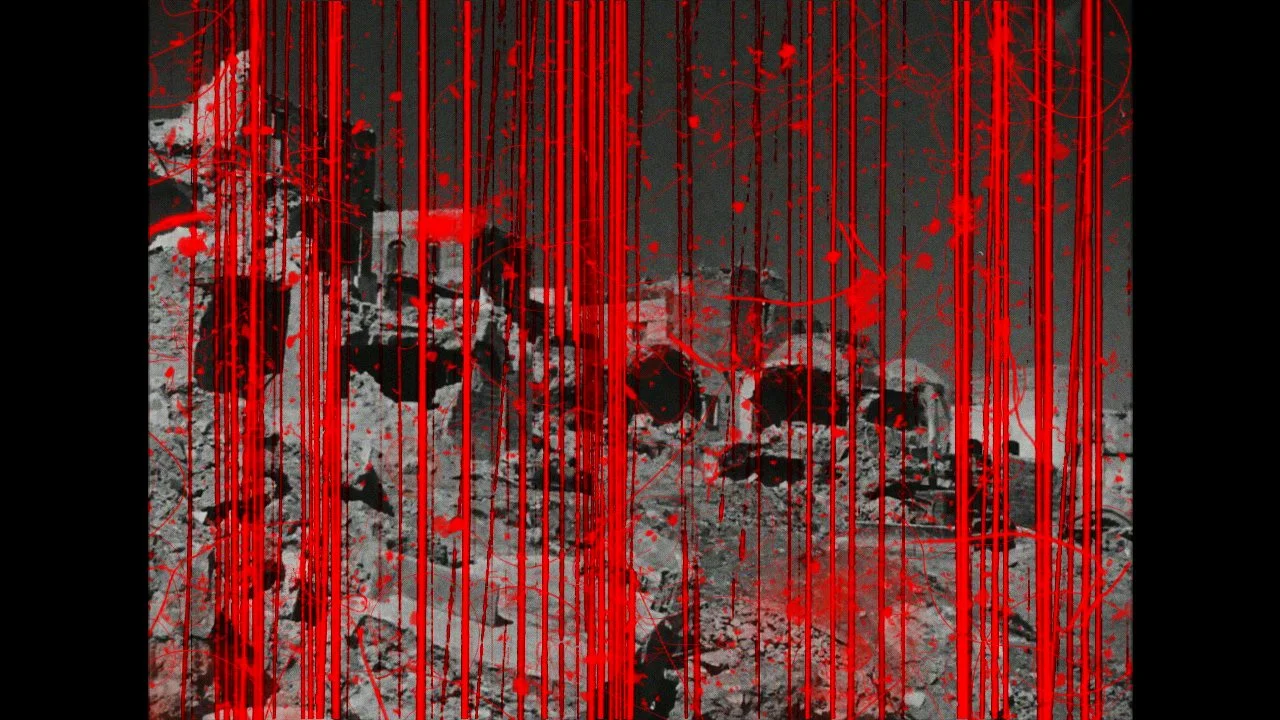
الفلم عمل فدائي / A Fidai Film, image courtesy of the artist
الفلم عمل فدائي / A Fidai Film, Kamal Aljafari, Palestine, Germany, Qatar, Brasil, France, 78 min, 2024
In the summer of 1982 the Israeli army invaded Beirut. During this time it raided the Palestinian Research Center and looted its entire archive. The archive contained historical documents of Palestine, including a collection of still and moving images. Taking this as a premise, A Fidai Film explores the visual memory of this looting and appropriates images now in the hands of Israeli archives.
Distribution: Kamal Aljafari Productions, Flavia Mazzarino, kamalalajfari.productions@gmail.com
Program 4
Friday, October 9
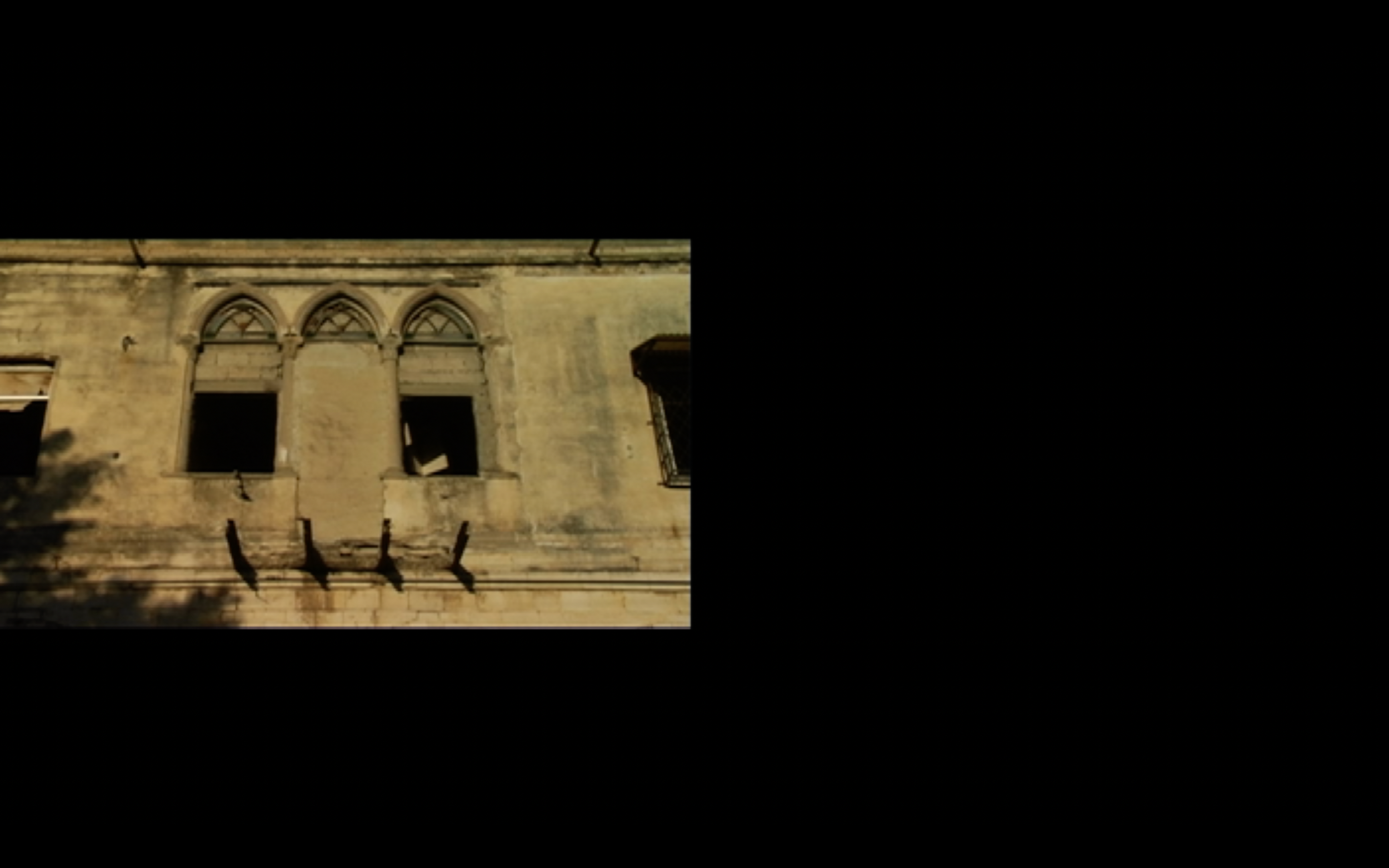
زورو العراق / Balconies, image courtesy of the artist
زورو العراق / Balconies, Kamal Aljafari, Germany, Switzerland, 7 min, 2007
An experimental meditation focusing on the deteriorated and unfinished balconies of the home town of Kamal Aljafari, Ramla, and inspired by Romance Sonámbulo by Federico García Lorca: "But now I am no longer me, and my house is no longer my House…"
Distribution: Kamal Aljafari Productions, Flavia Mazzarino, kamalalajfari.productions@gmail.com
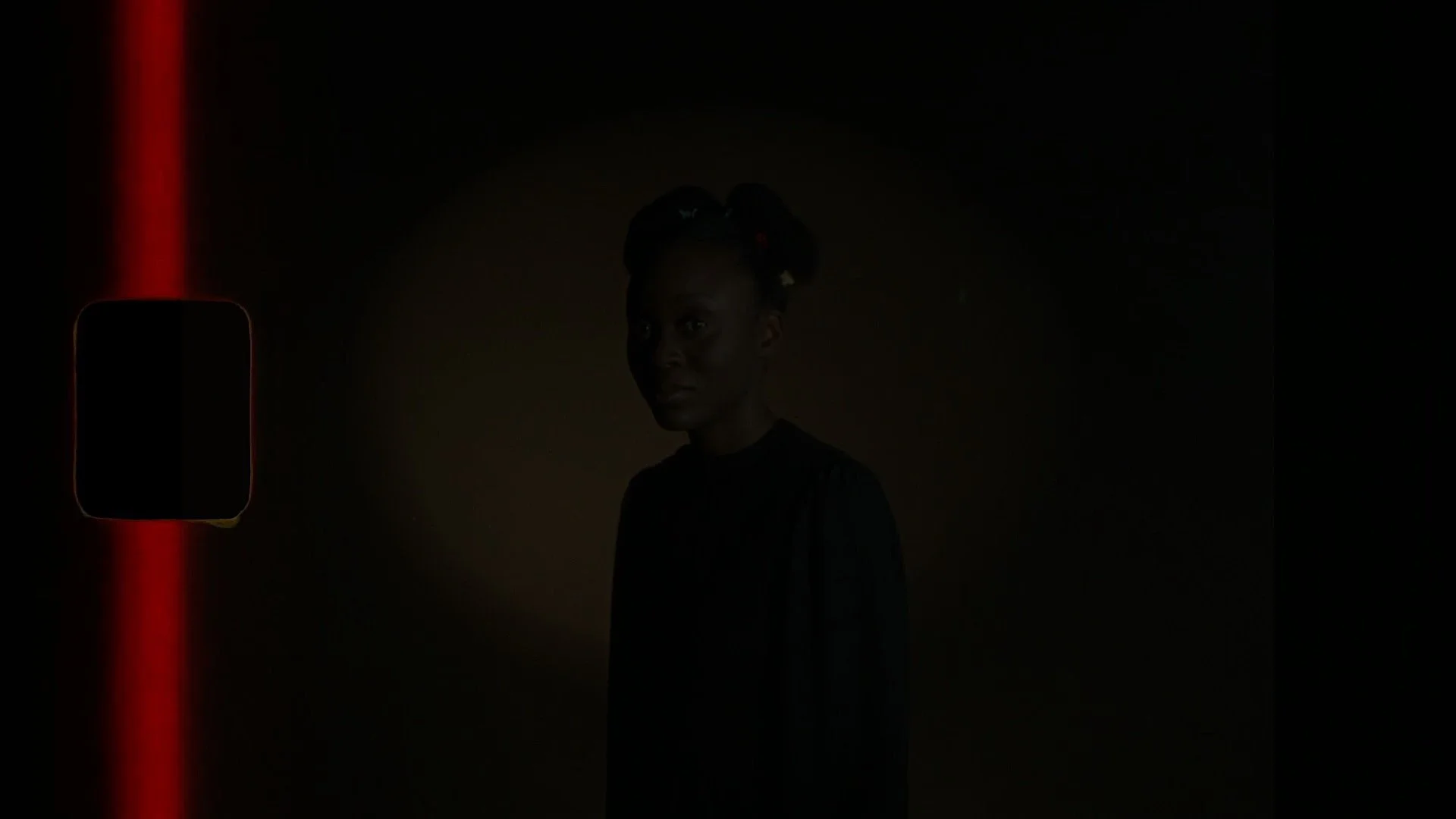
Tous les Jours de Mai / All the Days of May, image courtesy of the artist
Tous les Jours de Mai / All the Days of May, Miryam Charles, Canada, 7 min, 2023
Following the shooting of a documentary on the death of her daughter, a mother reflects on her own life and especially on the passing of time.
Distribution: La Distributrice de films (Serge Abiaad, serge@ladistributrice.ca)
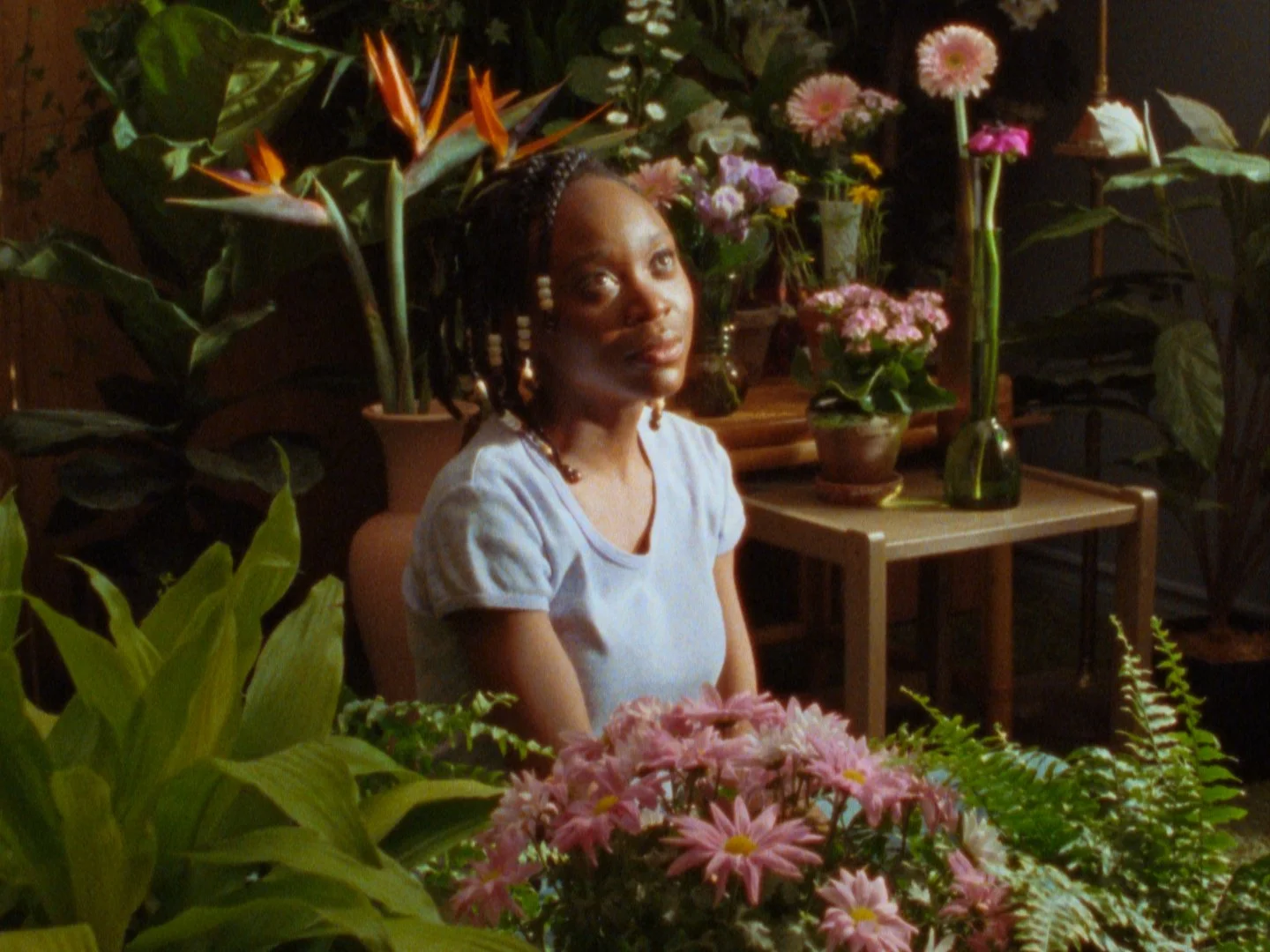
Cette Maison / This House, image courtesy of the artist
Cette Maison / This House, Myriam Charles, Canada, 72 min, 2022
Bridgeport, 2008. A teenage girl is found hanged in her room. While everything points to suicide, the autopsy report reveals something else. Ten years later, the director and cousin of the teenager examines the past causes and future consequences of this unsolved crime. Like an imagined biography, the film explores the relationship between the security of the living space and the violence that can jeopardize it.
Distribution: Oyster Films (Christina Demetriou, christina@oyster-films.info)
Program 5
Saturday, October 10
UNDR, image courtesy of the artist
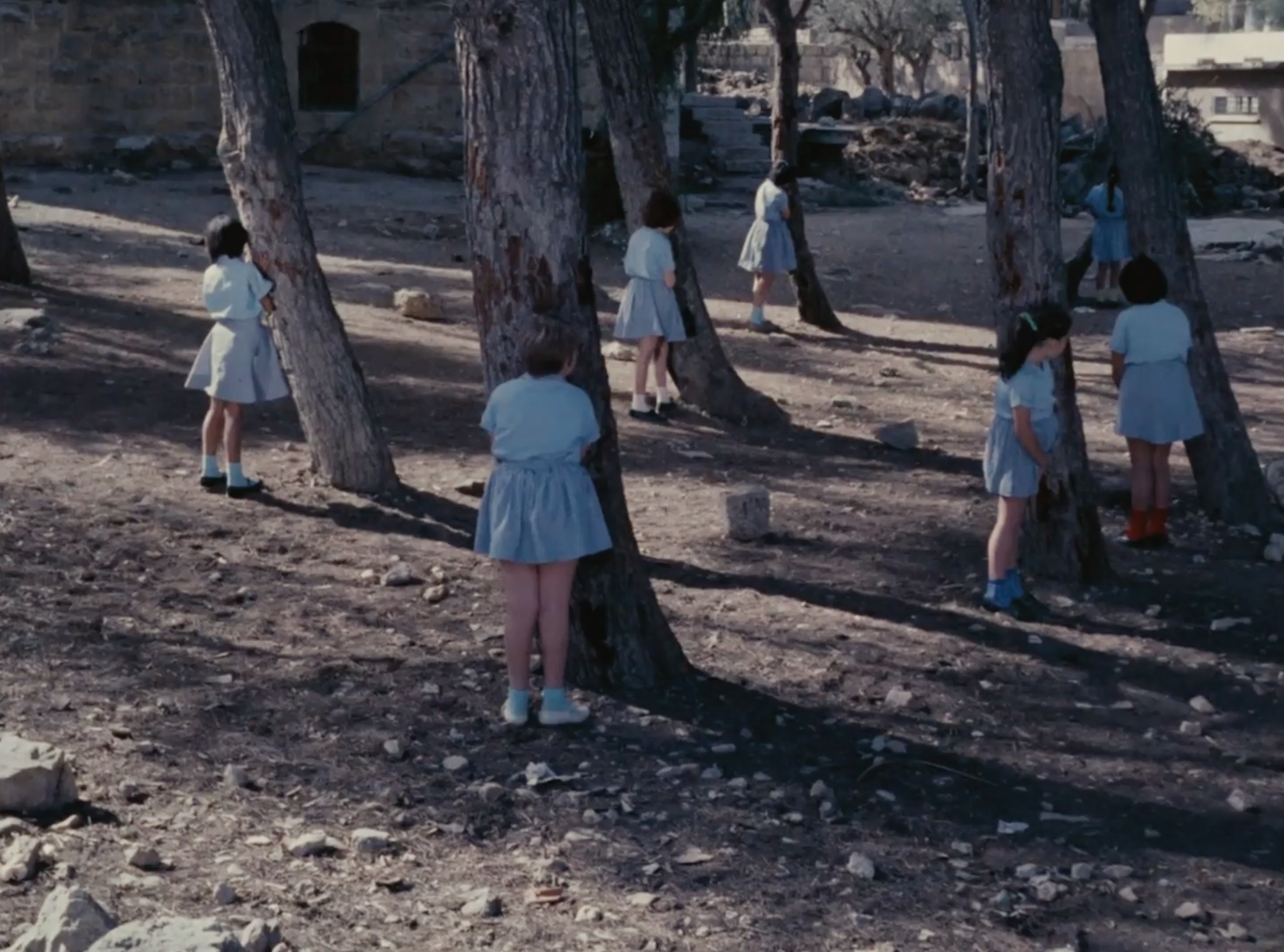
UNDR, Kamal Aljafari, Palestine, Germany, 15 min, 2024
The camera's eye returns obsessively to the same places, a vertical perspective that imposes control, the possession of archaeological sites, stones lying for thousands years in the desert. The places it observes, however, are not deserted: we see, as if glimpsed from afar, the peasants working the land, themselves transformed into landscape. Something disturbs the stillness of the place: explosions on land and in the sea prepare the ground for new cities with new names, new forests. This landscape is transformed into a scenography of appropriation.
Distribution: Kamal Aljafari Productions, Flavia Mazzarino, kamalalajfari.productions@gmail.com
Purge This Land, image courtesy of the artist
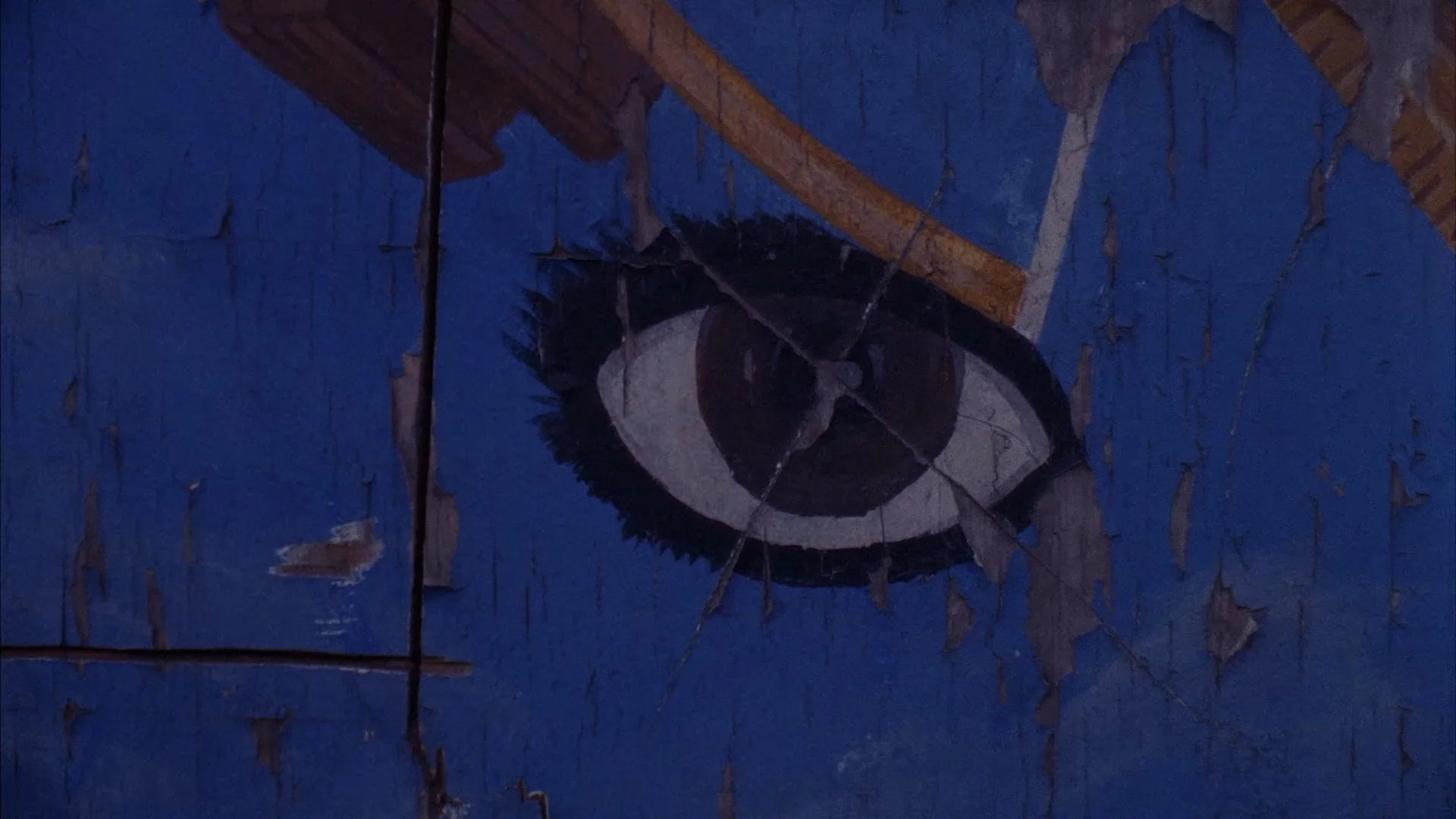
Purge This Land, Lee Anne Schmitt, USA, 80 min, 2006
In 1917, after the national guard allowed rioting whites to kill over 100 Black citizens and burn down Black neighborhoods, Marcus Garvey gave a speech in which he said, “With all the service that the Negro gave he is still a despised creature in the eye of the white people, for if he were not to them despised, the whites of this country would never allow such outrages as the East St. Louis massacre."
Program 6
Saturday, October 10
غزالِ سرخ / Ghazal-e Sorkh, image courtesy of the artist
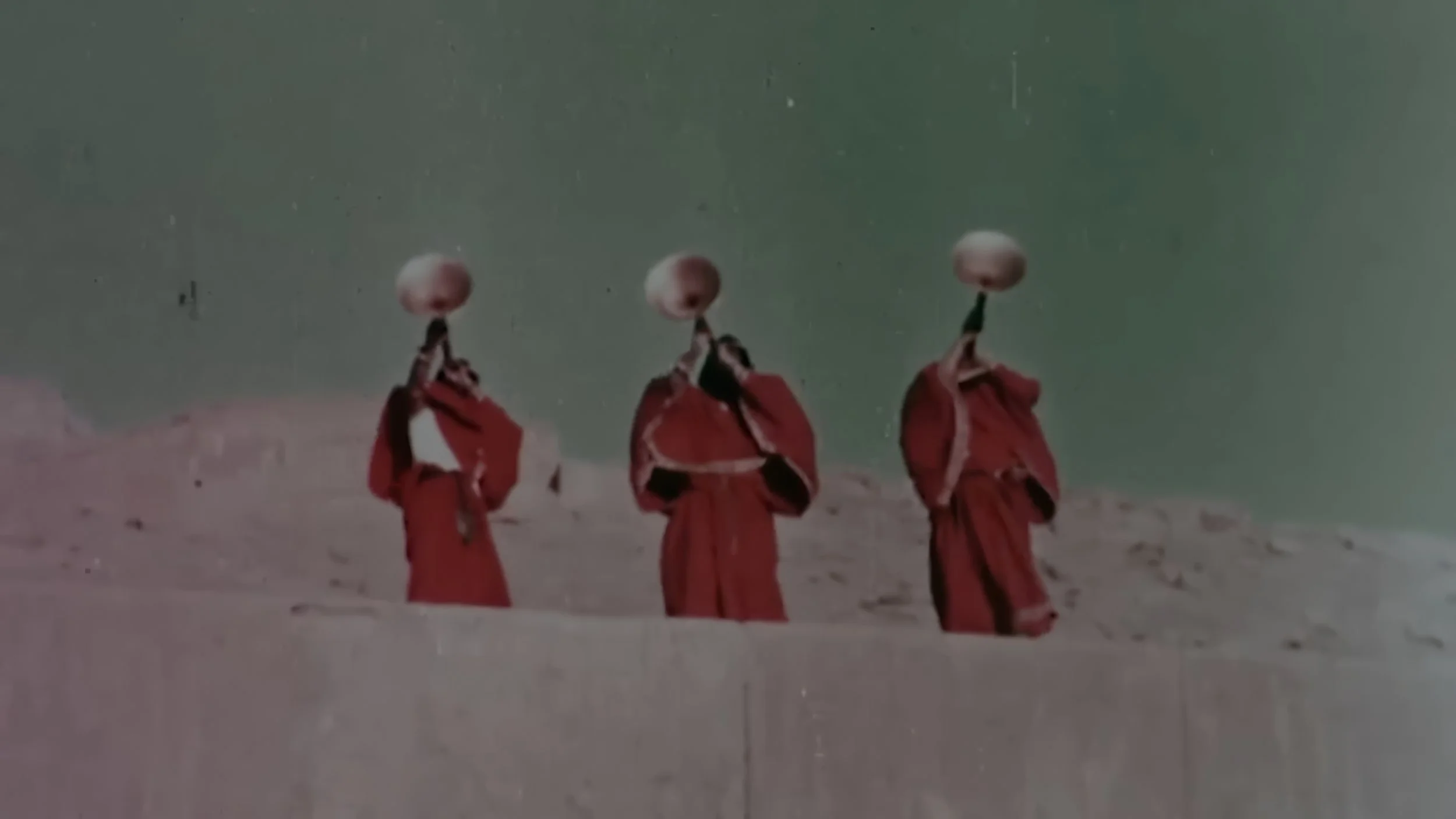
غزالِ سرخ / Ghazal-e Sorkh, Maryam Tafakory, 21 min, 2026
In 1976, there was a call to boycott the Shiraz Arts Festival. Some well-known international artists joined immediately; others reluctantly. “The giants aren’t coming this year,” wrote the Iranian newspaper Kayhan.
Between fragments of films commissioned by the Shah and the films and books banned in the same years are stories that first began with “crime-producing” poems – each returning to a fire that never stopped burning.
شبنامه /Shab-Nameh (night letter), Maryam Tafakory, 41'/performative iteration of an unfinished film, 2026
The year could be 2009. It could be 1999. It could be 1974. Fragments of the archives are put together here and there. Some belong to the final years of imperial Iran, others to the early post-revolutionary period. Shab-Nameh looks at a history that resists being made whole. Moving through love letters, prison letters, night letters, photographs, underground publications, state records, testimonies, and other surviving traces, the film attempts to make sense of a past marked as much by absence as by partial and distorted evidence.
Program 7
Saturday, October 10
L'île aux trésors / Treasure Island, image courtesy of the artist
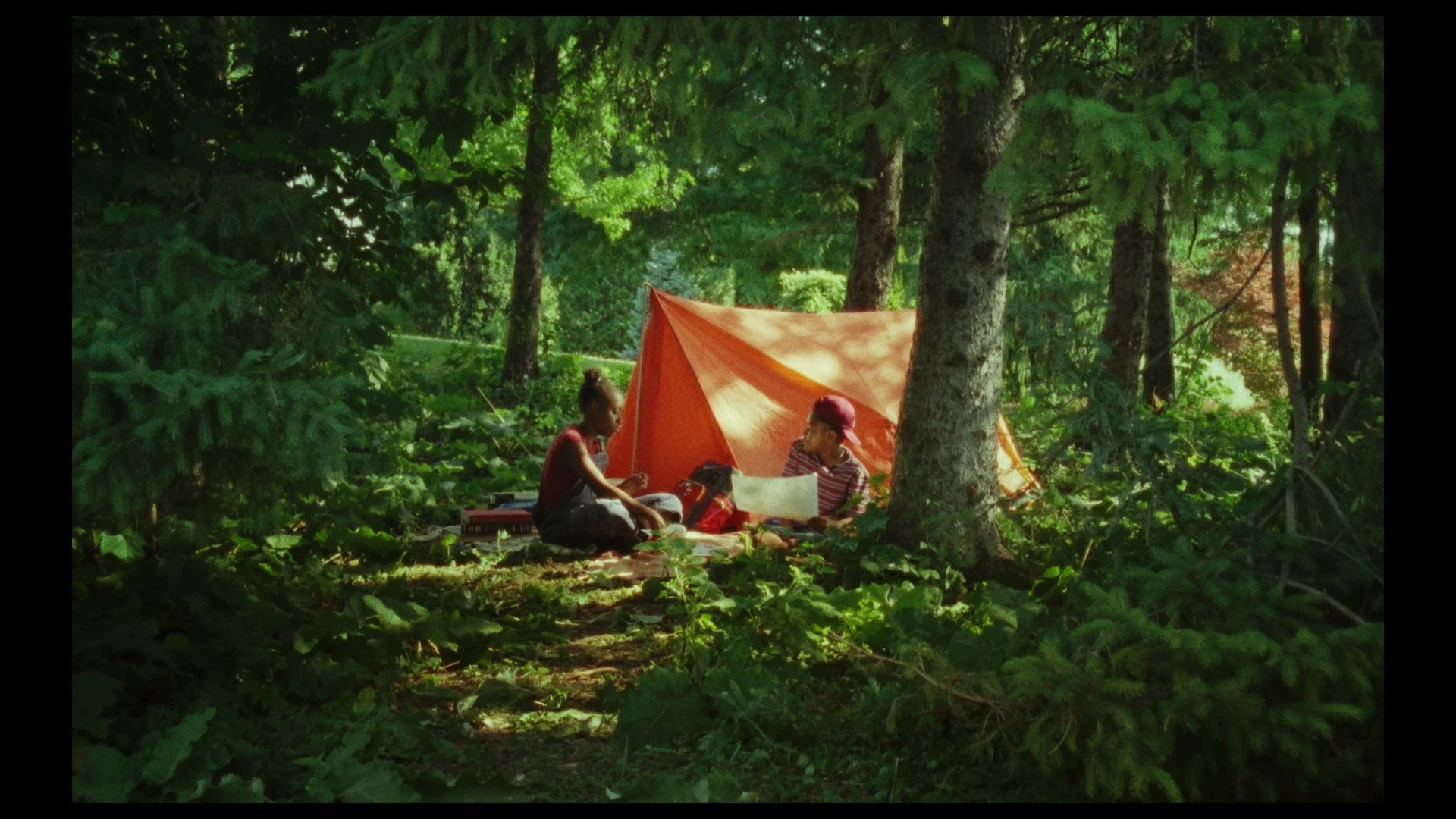
L'île aux trésors / Treasure Island, Miryam Charles, Canada, 18 min, 2026
Summer 1993. Marthe, 12, convinces her brother to run away from home and from the Haitian heritage they both reject. Joined by their cousins in a park, they debate what their future might hold. But as the hours pass, the children begin to realize that what they’re trying to escape is also what binds them together most deeply.
Distribution: La Distributrice de films (Serge Abiaad, serge@ladistributrice.ca)
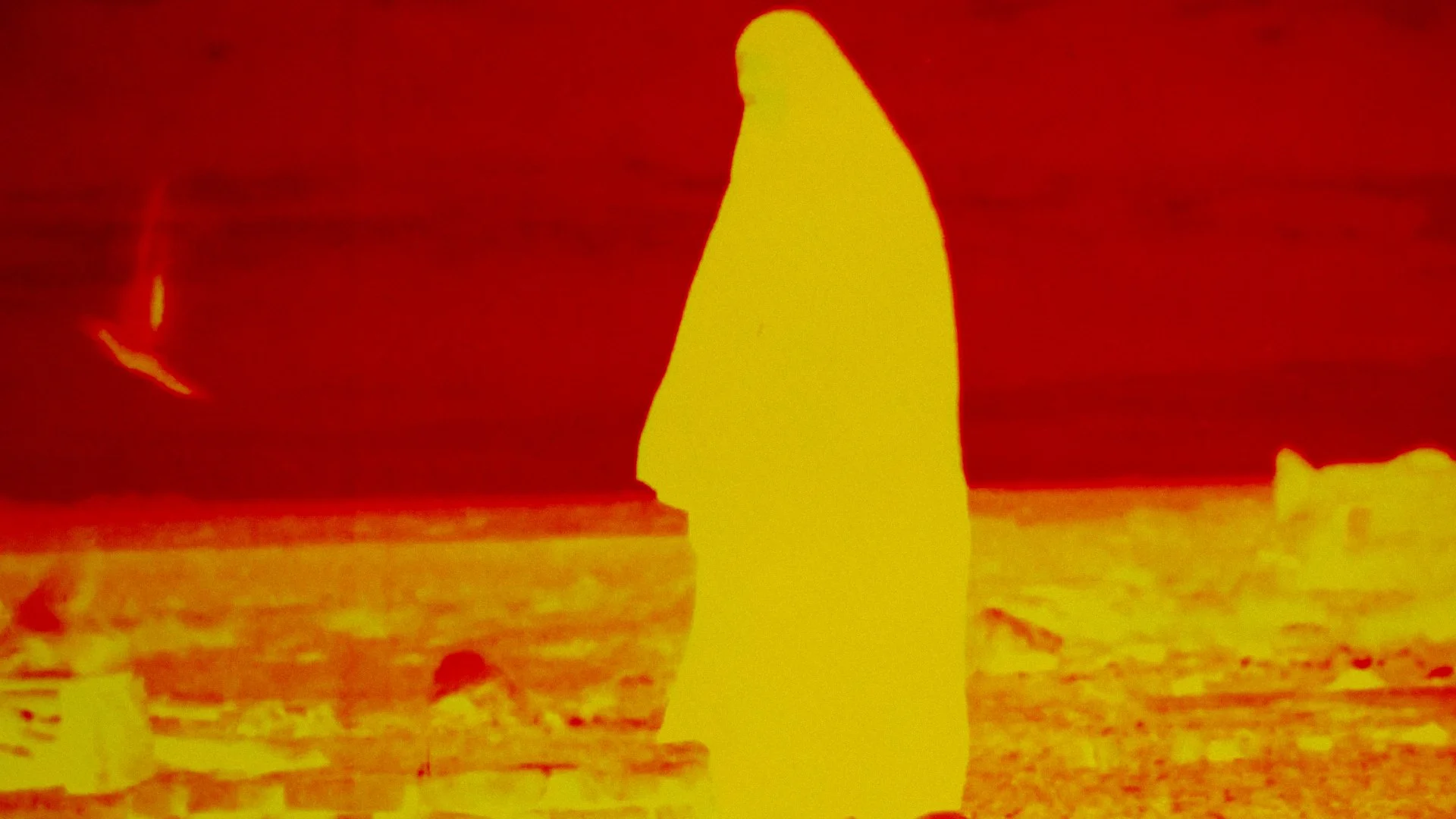
راز دل / Razeh-del, image courtesy of the artist
راز دل / Razeh-del, Maryam Tafakory, Iran, UK, Italy, 28 min, 2024
In 1998, two schoolgirls sent a letter to Iran's first-ever women’s newspaper. While they waited to be published, they considered making an impossible film. Using citations and image intervention, Razeh-del journeys through parallel histories of war on images of women.
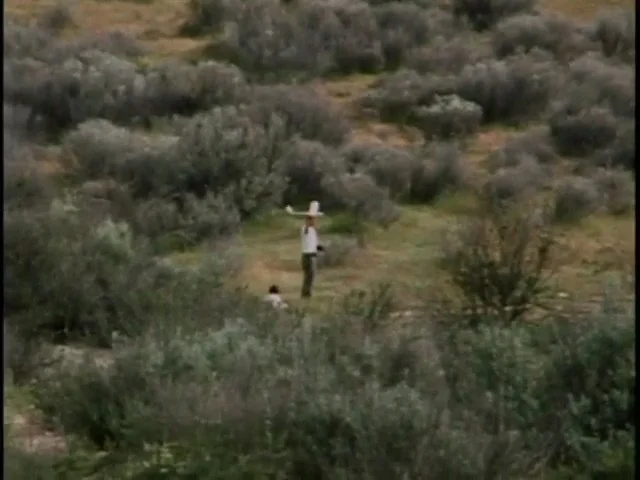
The Wash, image courtesy of the artist
The Wash, Lee Anne Schmitt, USA, 20 min, 2006
The Wash is a meditative portrait of the river wash that runs behind the older part of Newhall, California. Lush Super 8 cinematography contributes to a sense of nostalgia as real estate development encroaches upon the desert landscape. The use of the wash, by the filmmakers and their neighbors, is chronicled in an intimate narration. By observing changes in the landscape, the film traces the sprawling reach of the American exurb, where liminal spaces—geographic, social and psychological—are being incessantly razed.
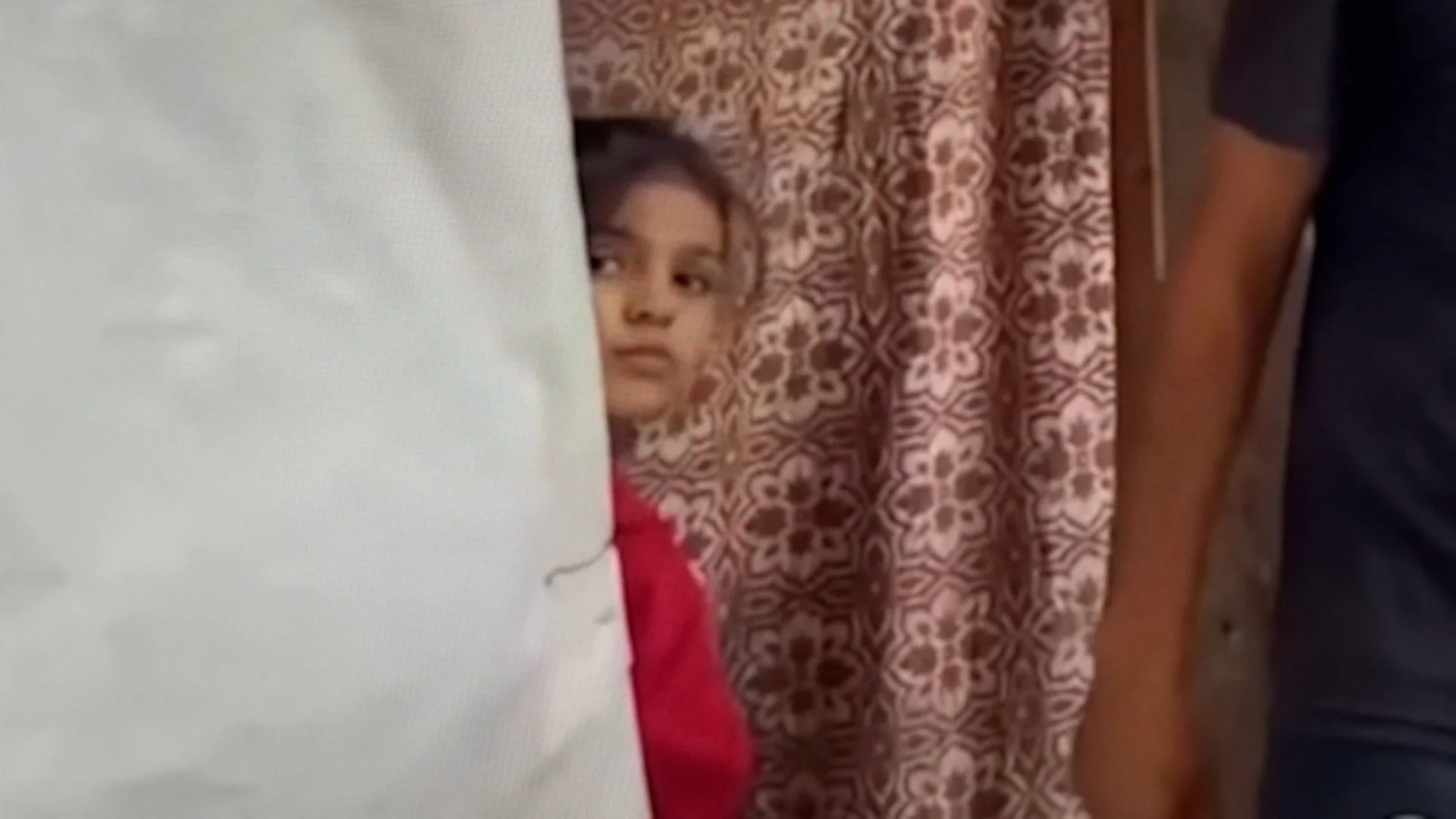
Going Home, image courtesy of the artist
Going Home, Kamal Aljafari, Germany, Palestine, France, 20 min, 2026
It was late December, and the weather was stormy. I went back to my parents’ home after 3 years of absence. I’m told: some of our relatives in Gaza were killed, the last one was a 12 years old girl. Every morning my mother asks: How did they sleep tonight under the heavy rain. My mother tells me not to film the TV and to erase what I filmed. “The picture says what the story cannot”?
Distribution: Kamal Aljafari Productions, Flavia Mazzarino, kamalalajfari.productions@gmail.com
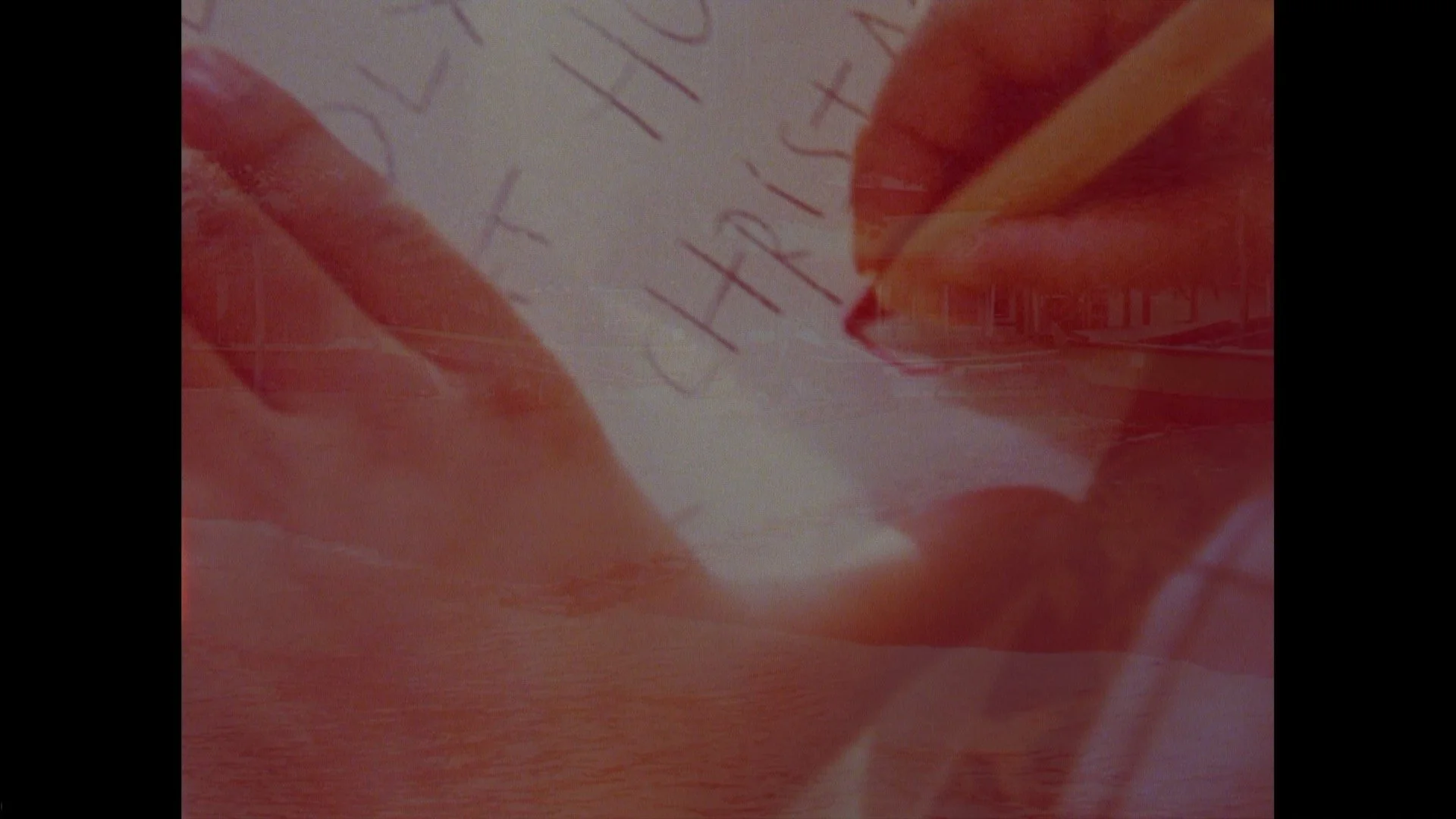
Chanson pour le nouveau monde / Song for the New World, image courtesy of the artist
Chanson pour le nouveau monde / Song for the New World, Miryam Charles, Canada, 9 min, 2021
Years after the disappearance of her father in Scotland, a young woman recalls her childhood on a Caribbean island.
Distribution: La Distributrice de films (Serge Abiaad, serge@ladistributrice.ca)
Program 8
Online Program Post-Seminar
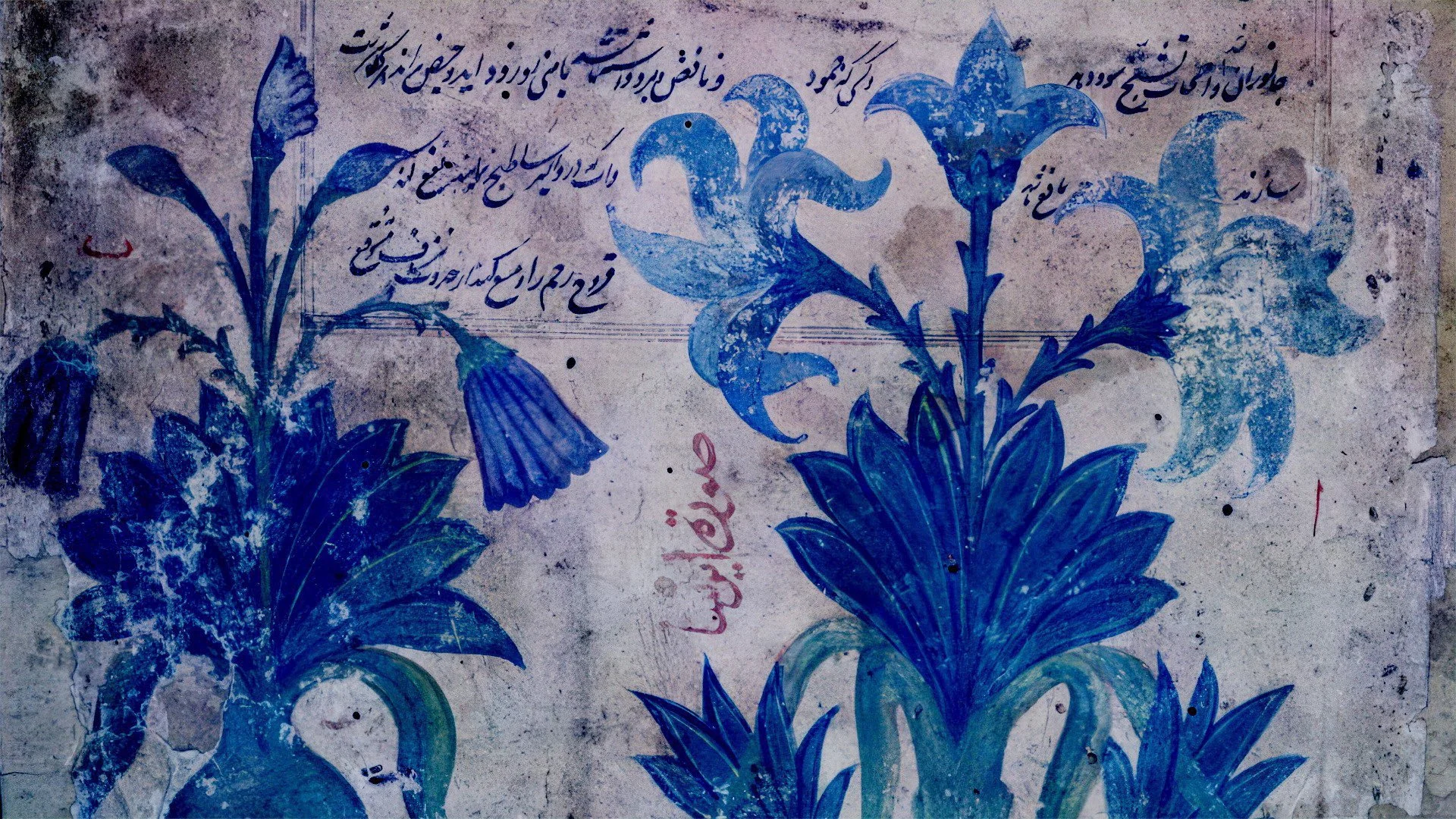
Daria's Night Flowers, image courtesy of the artist
Daria's Night Flowers | Maryam Tafakory, 16 min, 2025
Daria has written her first manuscript about falling in love with a mysterious girl called ‘abi’ [blue]. The night flowers in her garden hide the secrets of a country that has turned love stories into routine crime scenes.
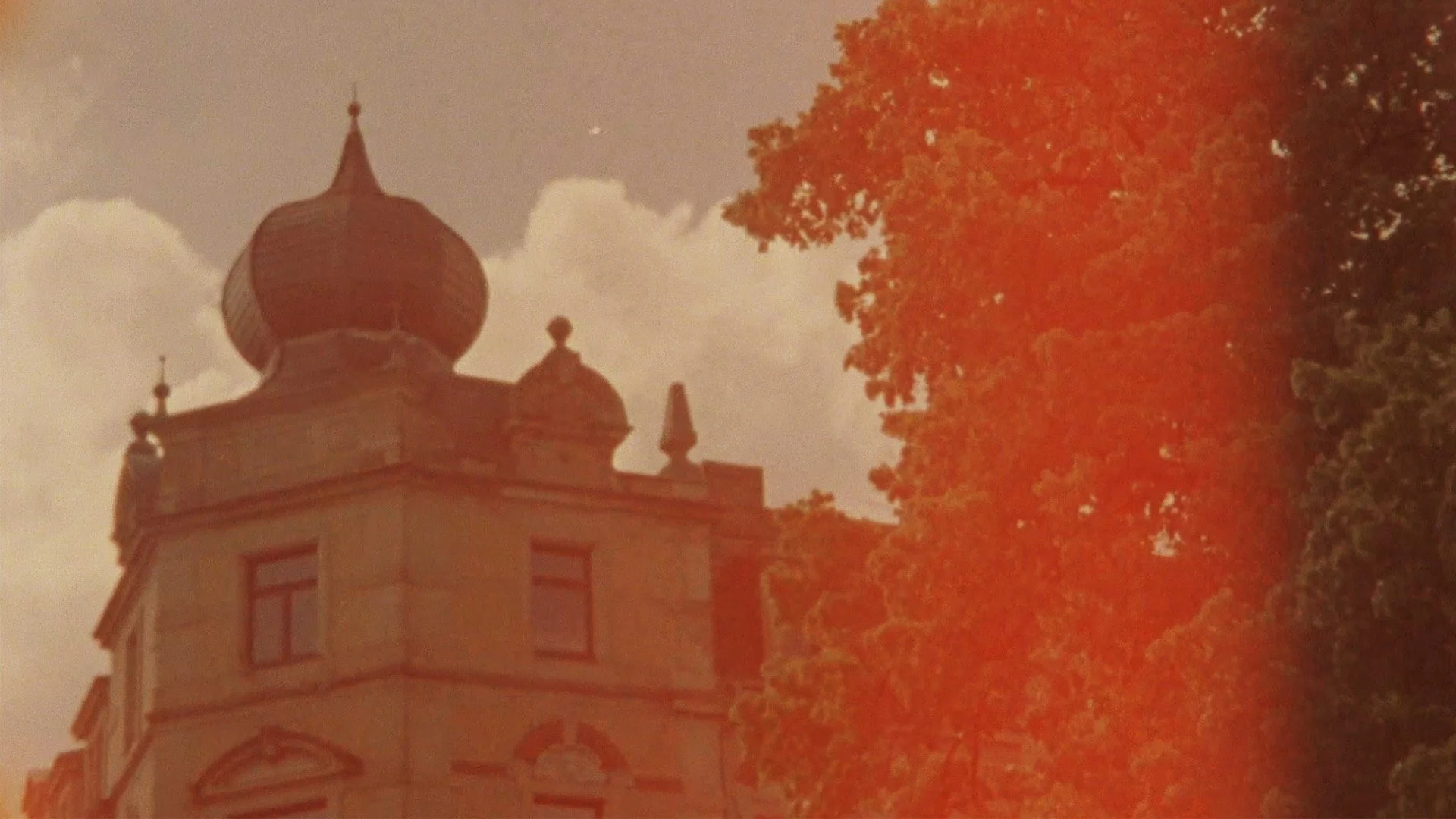
Drei Atlas, image courtesy of the artist
Drei Atlas | Miryam Charles, 7 min, 2018
A maid is suspected of murdering her former employer. Questioned by the police, she will reveal the existence of a supernatural power.
Program 9
Online Program Post-Seminar
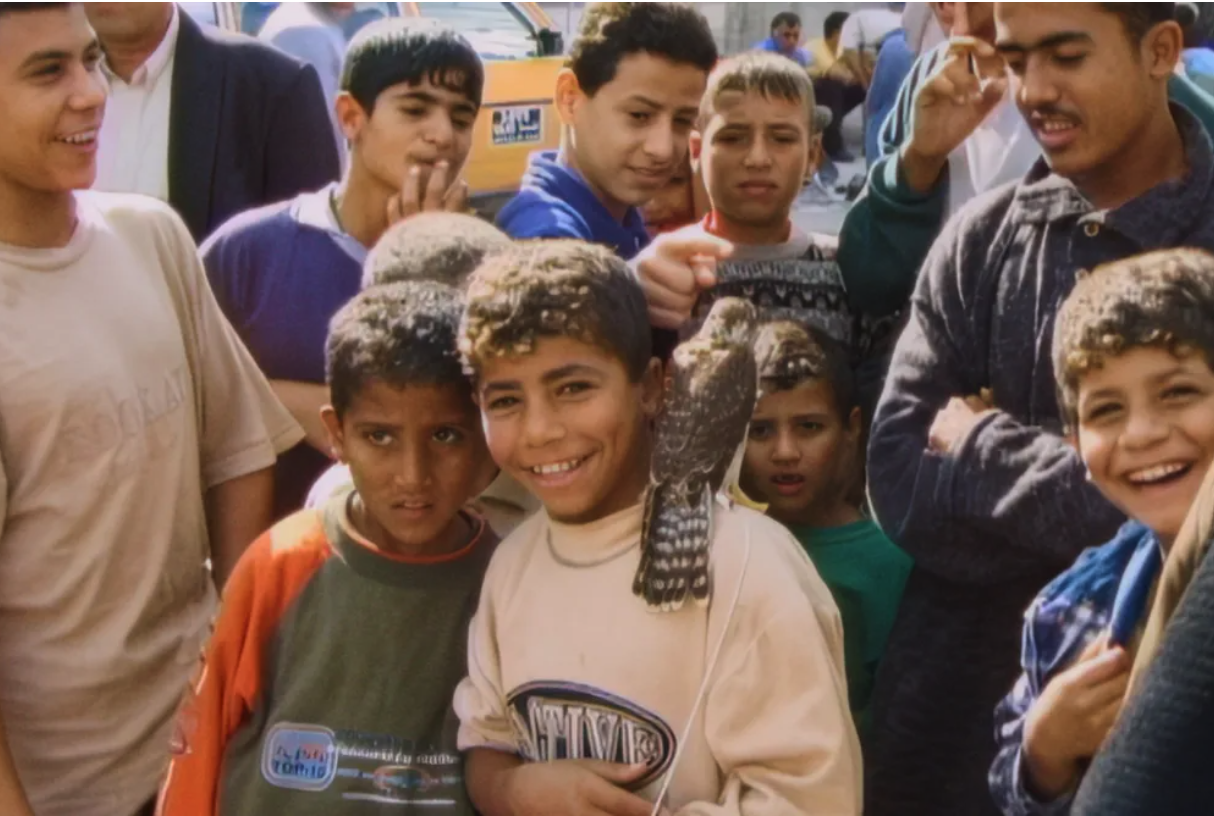
مع حسن في غزّة / With Hasan in Gaza, image courtesy the artist
مع حسن في غزّة / With Hasan in Gaza | Kamal Aljafari, 107 min, 2025
I went in Gaza twenty-four years ago.
This is my first film, which I have never made.
I recently found three MiniDV tapes that I shot in Gaza in the year 2001. This discovery reminded me of a trip I took to Gaza to search for a former prison mate I had met in 1989.
I couldn’t find him. It was the first time I had watched this footage, forgotten for twenty-four years, which has now become a document of a life and a place that no longer exists. On this journey, I found myself documenting life in the Gaza Strip.
With Hasan in Gaza is a road trip across Gaza, from north to south, accompanied by Hasan, the man who hosted me, and whose fate is still unknown.